
Lupus, also known as systemic lupus erythematosus (SLE), is a chronic autoimmune disease. In other words, a disease caused by the immune system. The immune system is designed to protect our body from pathogens such as viruses and bacteria.

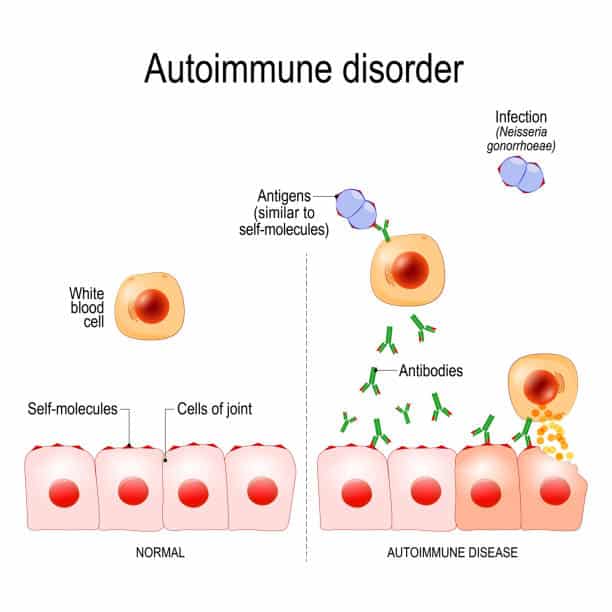
In some cases, the immune system does not correctly distinguish between self and non-self and mistakenly attacks healthy tissues. When this happens we are facing an autoimmune disease. A type of disorder in which the immune system becomes overactive and attacks and damages the healthy tissues and organs of the body.
Symptoms of lupus
As a consequence of this incorrect hyperstimulation of the immune system, a series of symptoms appear which can vary depending on the autoimmune disease. SLE can affect various organs and body systems, including the skin, joints, kidneys, heart, lungs, and brain. Reason why it is called systemic -disease or condition that affects the entire body or multiple systems.
Its symptoms can vary widely from person to person and can be mild or severe. Lupus symptoms may be intermittent, with periods of disease activity (relapses) alternating with periods of remission. Some of the most common symptoms of SLE include:
- Extreme fatigue: This is one of the most frequent and debilitating symptoms of lupus, which can significantly affect quality of life.
- Joint pain: Lupus can cause joint pain, swelling and stiffness.
- Skin rash: Many people with lupus develop a butterfly-shaped rash on the face that crosses the cheeks and bridge of the nose. Rashes may also appear on other parts of the body, such as the arms, chest or legs, which worsen with sun exposure.
- Fever: People with lupus may experience unexplained fever, which may be intermittent or persistent.
- Sun sensitivity: Many people with lupus are sensitive to sunlight, which can trigger or worsen skin symptoms and cause fatigue.
- Mouth ulcers: Mouth ulcers are common in lupus and can be painful.
- Kidney problems: Lupus can affect the kidneys and cause kidney damage. This may manifest as changes in urination, swelling in the extremities or increased blood pressure.
Causes of lupus
Lupus is not a genetic disease of a single gene, but its development will depend on the presence of several genes (polygenic disease), and their activation (epigenética). To simplify it, we could compare it to a cooking recipe. To prepare a dish we need the ingredients (genetics), but to get the dish ready we need to cook it (epigenetics). If we only have the ingredients (genetic predisposition), the dish will not be ready. We need someone to take care of putting all the ingredients together and cooking it (the activation of the disease).
There are several factors responsible for such activation. From viruses and hormones to any other chemical, environmental or even emotional factor.
Genetic factor
Although there is no single gene responsible for SLE, several genes have been associated with an increased risk of developing the disease. Some of these genes include:
- HLA (human leukocyte antigen): Certain HLA (immune system complex) subtypes, such as HLA-DR3 and HLA-B8, have been associated with an increased risk of lupus.
- IRF5 (Interferon Regulatory Factor 5): Variations in the IRF5 gene have been implicated in the development of lupus and are thought to be involved in the excessive production of type I interferon, which is related to inflammation and autoimmunity.
- STAT4 (Signal transducer and activator of transcription 4): Variants in the STAT4 gene have been associated with an increased risk of lupus and are thought to affect the regulation of the immune system.
- BLK (B-lymphocyte tyrosine kinase): Variants in the BLK gene are associated with the production of autoantibodies and have been associated with an increased risk of lupus.
- PTPN22 (Tyrosine Non-Receptor Tyrosine Phosphatase Type 22): Variants in this gene have been linked to an increased risk of lupus and other autoimmune diseases, and are thought to affect the regulation of the immune system.
- TNFAIP3 (Protein A20): Mutations in the TNFAIP3 gene have been associated with an increased risk of lupus and are thought to contribute to chronic inflammation and autoimmunity.
- TNF (Tumor necrosis factor): This gene is responsible for producing a protein that is involved in communication between certain cells of the immune system. Some variants or changes in this gene have been associated with two autoimmune diseases called Sjogren's syndrome and systemic lupus erythematosus.
In ADNTRO We analyzed genetic markers in all these genes and many other genes associated with lupus. Discover your genetic predisposition with the dna analysis of ADNTRO. If you are already genotyped, upload your RAW DNA data for analysis.