Kit Entry
€109
Your ancestry and your nutrition, to start with the essentials.
- Ancestry and origins
- Nutrition based on your genetics
- Other reports, available to add later
Nutrition genetic test
Which foods suit you best, which vitamins are harder for you to absorb, and how you metabolize fat or caffeine. A diet based on your genetics, not a generic chart.
From €109 · Results in 3–4 weeks
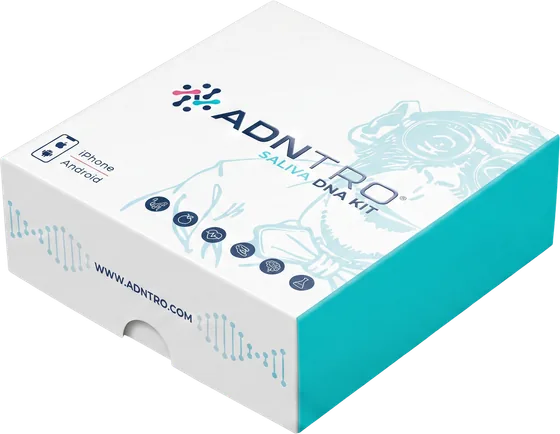
They all analyze your DNA the same way. The difference is what you unlock — and you can add more reports whenever you want, without sending another sample.
Your ancestry and your nutrition, to start with the essentials.
All the reports, including prevention and personality.
Your full genetics and your biological age from a single saliva sample.
Who we work with and what backs us






What your nutrition report includes
Nutrition is the environmental factor with the biggest impact on your day-to-day life, and your genetics shapes how you absorb, transport, and metabolize what you eat. This is what gets analyzed.
Your predisposition to obesity —the FTO gene is the most studied—, your thermogenesis (UCP2), your ability to mobilize fat, and your appetite regulation.
Which of the four profiles fits you best: low-carb, rich in complex carbohydrates, high-protein, or low-fat. With the foods to favor and avoid for each one.
How you transport, convert, absorb, and store each micronutrient, with the foods rich in the ones you struggle with most, and specific suggestions.
Your genetic tendency —not your current levels, which depend on your lifestyle— and how you handle fatty acids.
How fast you process caffeine and alcohol, your folate methylation cycle (MTHFR), and how you handle blood sugar spikes.
A variant of the CLTCL1 gene marks how you metabolize carbohydrates through the insulin pathway: farmer, half and half, or hunter.
Genetics tells you your metabolic capacity, not your current levels: those depend on what you eat and how you live. No result replaces a blood test.
Who vouches for the science
Dra. Marta Alonso-Bernáldez
Nutrigenetics
PhD in nutrigenomics: her thesis focuses precisely on how genetics translates into dietary recommendations. Co-authors our polygenic risk score publications.
Qualifications and affiliations
What your results look like
We don't give you a number on its own: every trait comes with what it means, the evidence level behind it, and what genetics doesn't explain.
 Nutrition Example M
 Genetics has an influence, but on its own it doesn't determine your health or your performance. These results are informational and do not constitute a medical diagnosis.
Example of how a result is presented on the platform. The data shown is made up.
Buy your kit and receive it at home.
Saliva, at home, in two minutes. No needles, and no personal data required.
In 3–4 weeks you'll have all your results in your private account.

GeneAI reads your results and explains them in plain language. Ask it anything, as many times as you need, until you get it.
Things people ask it
Included with the Premium kit and the subscription.
Example conversation
Why doesn't afternoon coffee agree with me?
You have the slow version of the gene that metabolizes caffeine, so it can still be affecting you several hours after you drink it. Genetics explains part of it; sleep habits and routine explain another part that matters just as much.
CYP1A2 rs762551 A/C High evidenceExplain it to me like I know nothing about genetics.
Your body takes longer than normal to switch off caffeine's effect. If you have it in the mid-afternoon, it's likely still working by the time you go to sleep.
GeneAI explains your results. It is not a medical diagnosis and does not replace consultation with a healthcare professional.
Buy it
This report is included in all ADNTRO kits.
Secure payment by card or PayPal · Results in 3–4 weeks
And it doesn't stop there
Which populations you come from and in what proportion, with your maternal and paternal haplogroups.
Whether your profile leans more toward strength or endurance, your recovery, and your injury risk.
The genetic traits associated with aging and long-term health.
Genetic results backed by more than 300 GWAS studies, each with a direct link to the original publication.
Behavioral traits with a described genetic basis: sleep, sensitivity, appetite.
Hormonal health and conception through your genes.
Maximum privacy and security
We don't offer relative matching, in keeping with our principle of total sample anonymity.
Read the privacy policyWe will never share or sell your data. When the chance to contribute to a scientific study comes up, we ask for your voluntary consent, and you can say no.
Your data is processed on European Google Cloud infrastructure, under GDPR.
You can download your data and delete all our records at any time, no explanation needed.
Scientific standard
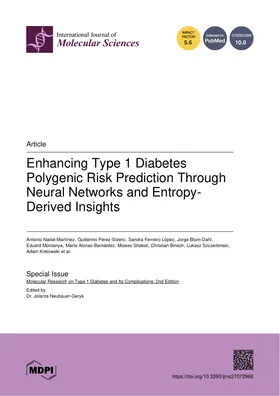
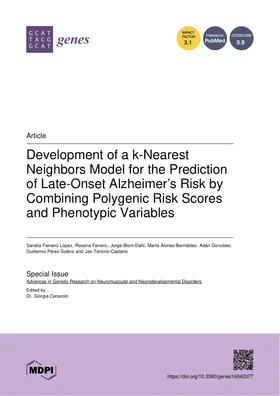
Yes, when they use validated technology. ADNTRO analyses ~700,000 markers with an Illumina GSA chip in an ISO 17025-certified laboratory (Eurofins, Denmark), and its risk models are published in peer-reviewed journals.
We publish our own work
I love it. Very informative.
 @roman_nfkrz Let's get into my DNA test, see what it's all about and learn some science!
 Love the insights they provide to my health journey. Brilliant data points to better understand how to improve your healthcare. They always come up with new markers.
Our results show info missing on other tests but validated by years of family tree research. Really helped pull it all more together.
 @francescapsychology Understanding your background can help you understand yourself.
 I like the reports, very detailed.
 @jaydonehistory Ready to discover what your DNA says about you?
 My experience with them was great. An informative and upstanding company.
If you already have a raw file from AncestryDNA, MyHeritage, 23andMe or another provider, you can upload it to ADNTRO and access more than 300 reports on wellness, ancestry, nutrition, personality, longevity, fitness and fertility without a new test. We also accept the VCF file of a whole genome (WGS), not just genotyping files.