
Interested in learning about the characteristics of the Andes region?
In this article you will learn about the characteristics of the regions of the Andes in a historical context.
Updated on February 7, 2024
When the Spaniards arrived in the Americas at the end of the 15th century, they could not have imagined the number of cultures, languages, territories and architecture available on the continent.
In the 16th century, the viceroyalty of Peru began to take shape. Its speakers called the place where they lived “anti”, which means east (where the sun rises).
The toponym Andes comes from the word “anti”.. This word belongs to the Quechua language, one of the 420 languages spoken in the South American continent, which became the official language of the Inca empire.
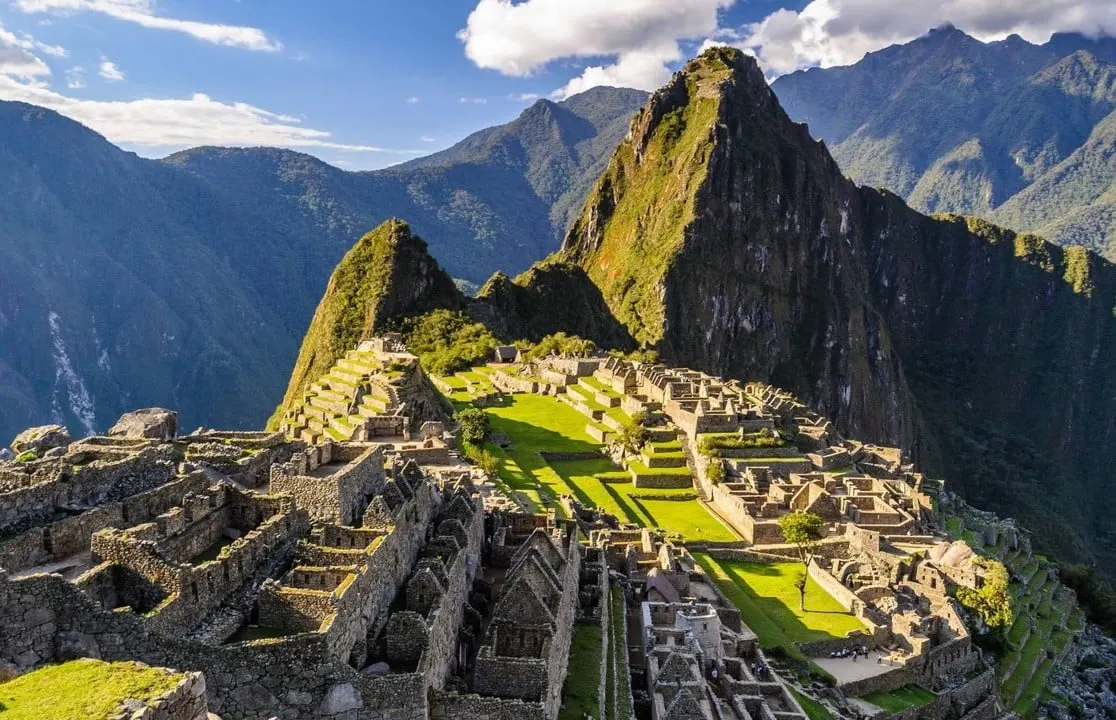
Machu Picchu, one of the Andean “llactas” (villages), is a symbol of the splendor of the Inca empire. It is an architectural and engineering marvel that, thanks to restoration work, is still preserved. In Quechua, Machu Picchu means “old mountain”..
Quechua, besides being a language, refers to an Andean ethnic group. There are more than 70 ethnic groups in Peru alone, of which the most numerous are, apart from the aforementioned Quechua, the Aymara, Arawak or Uru.
The latter have long claimed to be direct descendants of the first settlers of the Andes. A research project collected DNA samples from indigenous people and confirmed that the Urus, at least, have a different ancestry from other natives.
The Andes is the longest continental mountain range in the world, stretching some 8,500 kilometers from Venezuela to Chile and Argentina and boasting the highest peaks in the world outside of Asia.
Genetics has an influence, but on its own it doesn't determine your health, your behavior, or your future.