
The end of summer marks a major transition in many people's lives. Relaxing vacations give way to a return to routine, which can generate a whirlwind of emotions and, in many cases, noticeable restlessness. For some people, this transition not only results in a change in their daily lives, but also in insomnia due to anxiety.
In this article, we will explore the causes for this type of insomnia and the important role that sleep plays in our lives.
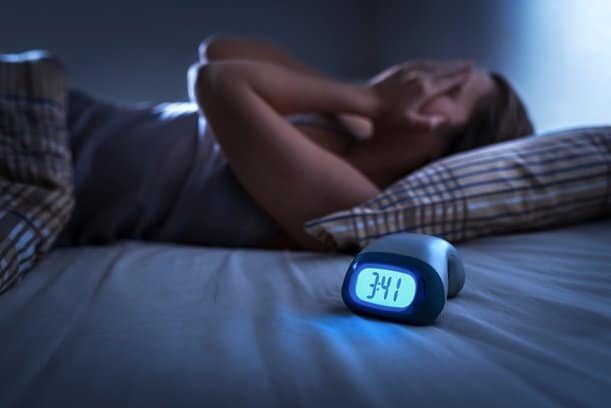
How does anxiety affect sleep?
- Troubling Thoughts: Anxiety is often accompanied by a constant stream of troubling thoughts that can be difficult to turn off, especially at night. These thoughts can keep a person awake or interrupt their sleep during the night.
- Physical Symptoms: Anxiety can also cause physical symptoms such as palpitations, sweating, muscle tension and other signs of sympathetic nervous system activation. These symptoms can make it uncomfortable or impossible to relax enough to fall asleep.
- Alterations in Sleep Patterns: Anxiety can change normal sleep patterns, leading to problems such as waking up early and not being able to go back to sleep, or having restless, unrefreshing sleep.
Why is sleep important?

- Physical Restoration: During sleep, the body focuses on repairing and regenerating damaged tissues and cells. Protein production increases, aiding in this recovery process.
- Memory Consolidation: Sleep plays a crucial role in memory consolidation. During sleep, the brain processes and organizes the day's memories and experiences, which helps improve memory and learning.
- Emotional Regulation: Adequate sleep helps regulate emotions and mood. Lack of sleep can lead to increased irritability and stress.
- Brain Cleansing: Through the glymphatic system, the brain eliminates brain metabolism toxins. This process could be related to the prevention of neurodegenerative diseases.
- Energy Balance: Sleep allows the body to conserve energy and regulate metabolism. This is closely related to appetite and weight control.
- Strengthening the Immune System: While we sleep, our immune system develops immune and anti-inflammatory functions.
- Growth and Development: In children and adolescents, sleep is vital for growth and development, as it is during this time that growth hormone is released.
- Body Temperature Regulation: During sleep, the body has the opportunity to regulate its temperature, adjusting it according to metabolic needs.