
Coenzyme Q10 and health
Did you know that coenzyme Q10 is present in numerous vital processes? Discover its importance and the role it plays in health.
Updated on October 10, 2024
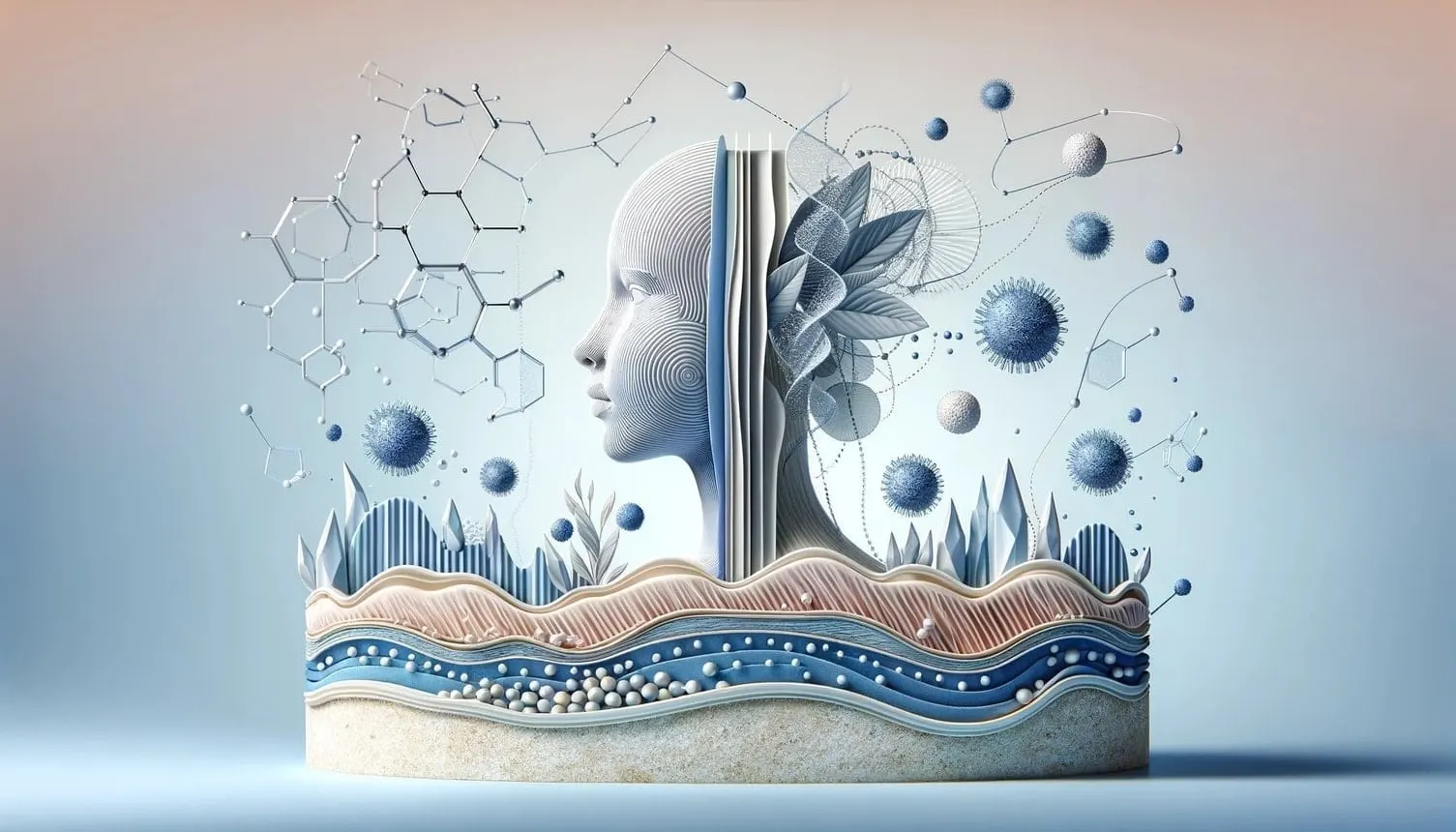
Coenzyme Q10, also known as ubiquinone, is a vitamin-like substance found naturally in most cells of the human body due to its involvement in numerous vital health-related processes. Levels of this coenzyme are variable depending on age and bgenetics. Genetic variants have been found to be associated with genetic predisposition to the level of this protein.
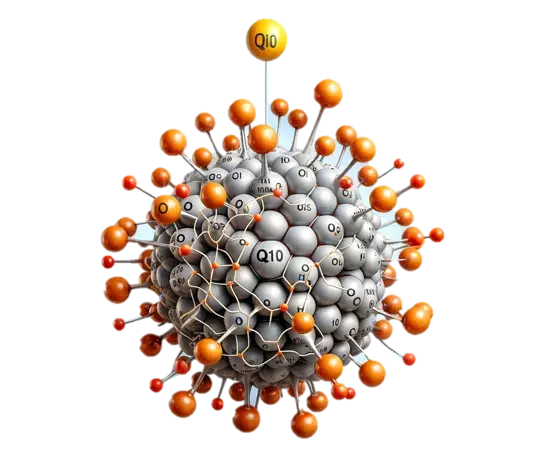
There are rare genetic deficiencies of coenzyme Q10 associated with noticeable symptoms in energy-intensive tissues or cell types such as kidneys or neurons.
What role does coenzyme Q10 play in health?
This coenzyme is essential for the correct functioning of almost all vital processes, highlighting its role in:
- Cellular energy generation: CoQ10 plays a crucial role in the electron transport chain within the mitochondria, the “power plants” of cells, where it facilitates the production of adenosine triphosphate (ATP), the main source of cellular energy. This process explains how cells convert food into the energy needed for their functioning.
- Antioxidant function: CoQ10 acts as a potent antioxidant, protecting cells from damage caused by free radicals, reactive molecules that can contribute to aging and various chronic diseases.
- CoQ10 has been identified as a modulator of the gene expressionthe processes inflammatory and apoptosis.
Research on the role of CoQ10 in aging suggests that maintaining optimal levels of this coenzyme in the body could influence the longevity and reduce the risks of many age-related diseases.
CoQ10 is naturally produced in the body, but its production may decrease with age or due to certain health conditions. In addition, it can be obtained through the diet, especially from meats, fatty fish, nuts and seeds.
Coenzyme Q10 and genetics
There are genetic variants associated with coenzyme Q10 levels. These genetic variants are found in genes involved in processes that can affect the synthesis of coenzyme Q10. Associations have also been found in genes involved in neuronal functions.
- TTC39 gene: involved in protein-protein interaction. Since CoQ10 biosynthesis takes place in a protein complex with numerous protein-protein interactions, it could be possible that a disruption of these interactions by TTC39 influences CoQ10 biosynthesis.
- OLAH gene: involved in fatty acid synthesis. If the synthesis and subsequent storage of fat is reduced, the energy consumption process of CoQ10 biosynthesis could also be reduced.
- COLEC12 gene: involved in the elimination of oxidized low-density lipoproteins, as well as in the elimination of amyloid-beta, an important protein aggregate that causes Alzheimer’s disease.
- NRXN-1 gene: deletions, mutations and disruptions of the NRXN-1 gene have been reported to be associated with neurocognitive disabilities, such as autism spectrum disorders.
Genetics has an influence, but on its own it doesn't determine your health, your behavior, or your future.