
Wellness: The importance of sleep
Do you know the importance of sleep? It is a biological need that helps restore physical and psychological functions.
Updated on September 23, 2024
The term sleep refers to both the act of sleeping and the activity of the mind that takes place during that period of rest. Is a biological necessity which enables restore the physical functions and psychological essential for full performance. While we sleep, a large number of activities take place such as neural reorganization, consolidation and storage of relevant memories.

In the field of sleep, there are various pathologies that can affect physical health, personal life (family, work and social life) and even mental health in the most severe cases.
The best known is the insomnia. There are two types, the transient and the chronic. The first is the most common. It is caused by stress, anxiety, jet lags, worries … I would dare to say that we have all experienced this sleep disturbance at some point in our lives and we do not have to be alarmed for that. What should worry us is if said alteration becomes recurrent, that is, if we suffer from insomnia chronic.
The latter term includes problems in reducing the ability to sleep, either due to problems in falling asleep (chronic onset insomnia) or due to problems maintaining sleep (chronic maintenance insomnia).
Recently, due to the current situation with respect to the COVID 19a third type of insomnia has been defined, namely covid-somnio or coronasomnia. The number of people suffering from insomnia has increased in times of pandemic. Experts accuse it of changes in our lifestyle (many hours at home lying down, reduced physical activity and reduced mobility), uncertainty, worry, stress and anxiety.

Be that as it may, insomnia reduces our hours of sleep that are necessary to restore the functions of our body (minimum 4 hours sleep). However, it is surprising how the natural sleep hours throughout the population. There are people who need between 9 and 10 hours of sleep to be energetic and others who with just 5 hours do not have even a dark circle.
There is a genetic component that affects both natural hours of sleep and insomnia, but they are not the only sleep characteristics associated with genetic variants.
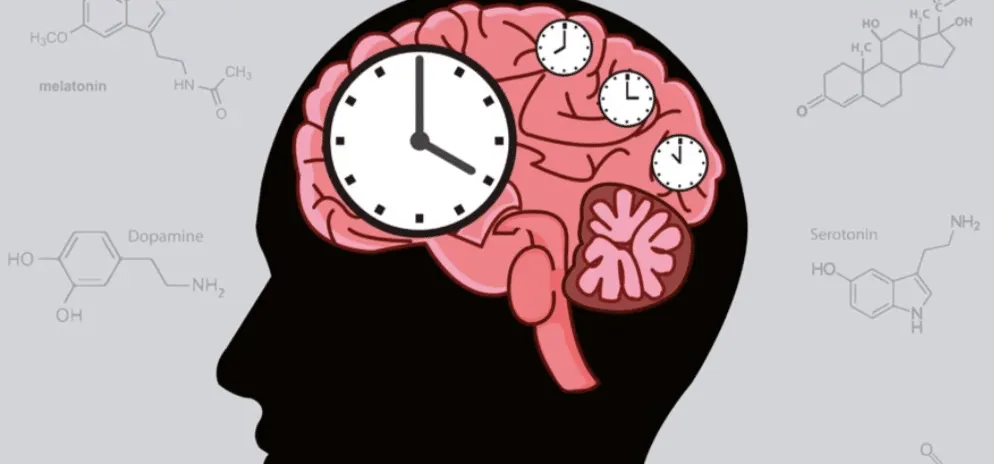
Genetic associations related to snoring (snoring) and sleep-wake rhythms (chronotype or biological clock). Sleep, like other body functions, is regulated by the well-known biological clock or circadian rhythm (24-hour cycle) that adapts our physiology to different phases of the day. This “machinery” establishes what time of day our propensity to sleep increases, sending a signal to an endocrine gland located in the brain to start the production of melatonin (the hormone responsible for the day / night cycle).
Normally, the sleep regulatory centers receive the activation signal in the evening and are progressively deactivated in the morning. However, the biological clock can be influenced by genetic factors (among other reasons) that classify the population into two large groups: people in the morning and people at night.
Genetics has an influence, but on its own it doesn't determine your health, your behavior, or your future.