LinkedIn: Sandra Ferreiro
Bioinformatics and Head of Scientific Department at ADNTRO.
Biotechnologist from the Francisco de Vitoria University, where she was recognized with two scholarships for outstanding academic records. She began her research career in Newcastle, participating in a project on left-right asymmetry, work for which she received the award for best poster at the Cardiovascular Research Center Trainees Meeting Conference (2018). Subsequently, she completed a Master's degree in Computational Biology at the Universidad Politécnica de Madrid, where she researched the metabolic interaction networks of the microbiome in patients with Crohn's disease and ulcerative colitis at the CBGP, a Severo Ochoa Center of Excellence (2020).
Since 2020, she has been developing her work as a bioinformatician at ADNTRO, focused on genetic data analysis and the development of predictive machine learning models applied to genetics, including Polygenic Risk Scores (PRS) and pharmacogenetics. She has experience in handling R, Python, SQL, Codex, and Gemini CLI, as well as in the use of UK Biobank data, with official certification. Her work also covers the annotation and filtering of variants with potential clinical implications, the development of proprietary tools for variant cleaning, HLA typing inference through SNPs, and the application of phasing, imputation, and clustering methodologies, along with the critical review of GWAS literature.
She is the first author of the work published with PMID: 40282337, focused on the development of a predictive model for late-onset Alzheimer's, presented at the I Congress of the Spanish Society of Bioinformatics and Computational Biology (SEBiBC). Additionally, she has presented a scientific poster on a predictive model for pulmonary embolism at the IV Interdisciplinary Congress of Human Genetics. She has participated in prominent congresses and sector meetings, such as BioSpain 2021 and 2023, the Congress of Bioinformatics and Computational Biology 2024, and South Summit Valencia Health & Wellbeing, and has intervened as a collaborator in the Genetic Testing course by Genotipia. She has also had a prominent participation in the round table on PRS and imputation organized by DNAnexus.
Publications
Interviews
En el cuerpo humano, las grasas, además de para otras funciones, sirven como reserva energética para obtener el combustible que el cuerpo …

Los test genéticos son un tipo de prueba médica que sirven para identificar cambios en los genes mediante el análisis del ADN. …

La preeclampsia es un trastorno vascular que surge en el 3-5% de los embarazos totales después de la semana 20 de gestación. …
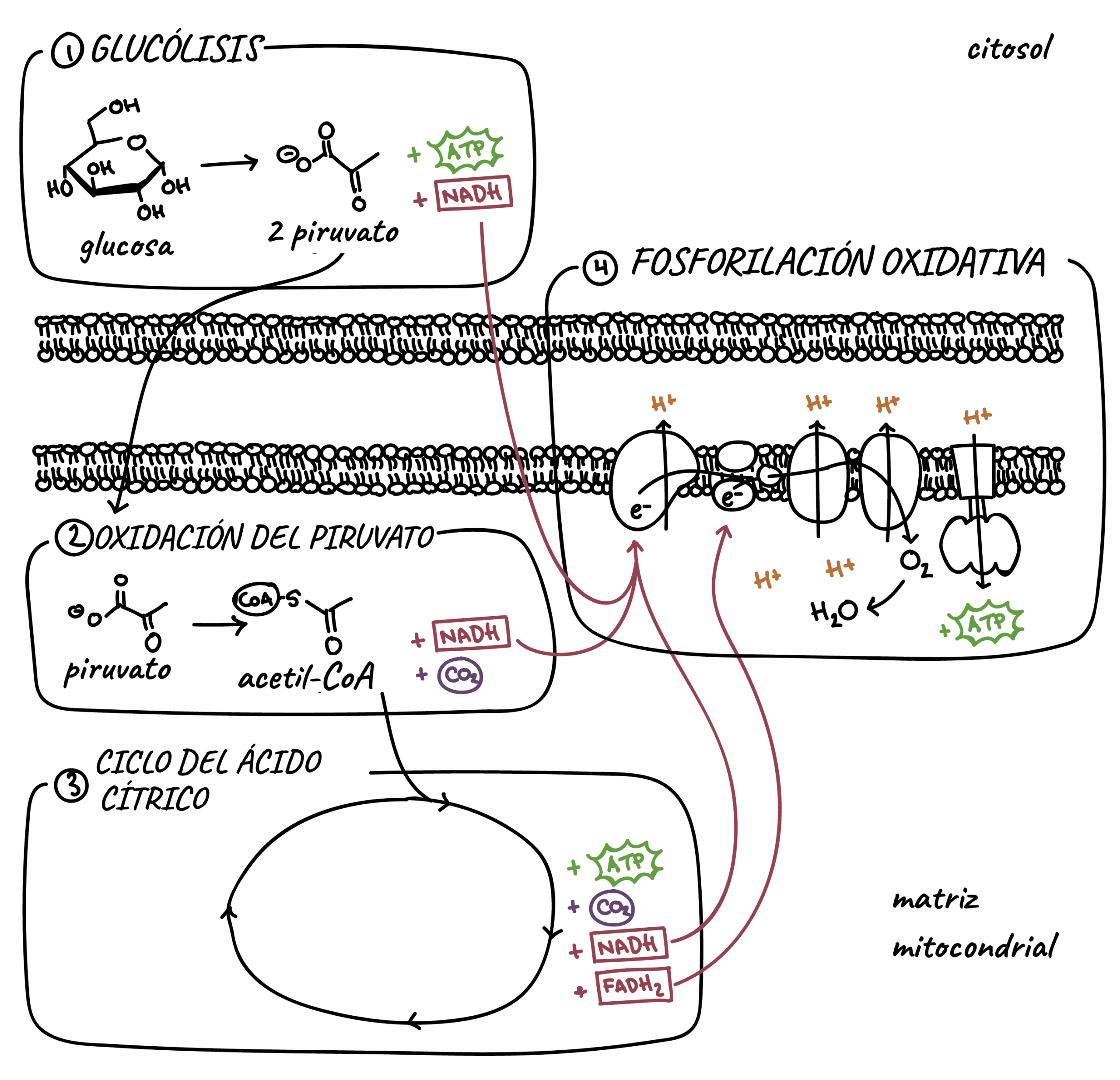
¿Qué es el catabolismo? El catabolismo es un conjunto de procesos metabólicos en los que las moléculas grandes y complejas (carbohidratos, lípidos…) …

La pérdida de cabello, conocida médicamente como alopecia, es un problema común que afecta al 40% de la población de más de …

Los estudios científicos han mostrado que la genética desempeña un papel importante en la susceptibilidad a desarrollar esquizofrenia. Las personas con un …

For digestive clinics or physicians. Provides information on the genetic predisposition to develop diseases of the digestive system- such as Chron's, Inflammatory Bowel Disease among many others - as well as intolerances. This supports a possible early diagnosis and prevention. The results of this study are very positive, allowing for more precise and personalized interventions to improve the quality of life of the patients.
The applicability and importance of the PRSs in cardio is endorsed by the American Heart Association (AHA). The applicability of PRS is made possible thanks to this tool that helps in the cardiovascular disease prevention: identifying patients with a higher genetic risk of developing conditions such as diabetes, thromboembolism, hypercholesterolemia, and coronary artery disease (CAD), among others, enabling early interventions and preventive measures to improve patients' cardiovascular health.
Access and consultation of genetic data relevant to health and pharmacology. Thanks to this tool, it is possible to know the predisposition of patients to suffer adverse effects and what dose adjustments are necessary for more than 150 drugs, thus improving safety, efficacy and treatment personalization. This information is backed by Stanford University and approved by the FDA and gives solutions for biobanks, and research organizations.
Specialized for dermatological clinics, this service provides information on dermatogenomics: skin sensitivities, efficacy of various topical and oral treatments, essential vitamins and minerals for skin health, dermatological conditions, skin types and more data to help you customize your skin care recommendations.
Genetic analysis allows for the design of personalized training programs that, taking into account genetic characteristics focused on the world of sports, such as muscle fiber types and predisposition to injuries, maximize performance and reduce the risk of injuries. Additionally, by considering genetic factors related to sleep and longevity, recommendations can be offered for a healthy and sustainable lifestyle.
The practical application of nutrigenomics allows you to differentiate yourself from the competition by offering your patients personalized and accurate information on genetic predispositions to food intolerances.The results of this approach allow the design of dietary plans completely adapted to the genetic profile of the patient. This approach makes it possible to design dietary plans completely adapted to the individual needs maximizing results and providing an exceptional and differentiated service in the field of nutrition.
Very useful for psychiatric clinics and psychological clinics. Provides information on the genetic predisposition to develop nervous system diseases and mental disorders, such as Alzheimer's, Parkinson's, schizophrenia, bipolar disorder and OCD, among others. This supports a possible early diagnosis and prevention of these conditions, allowing for more precise and personalized interventions for improve the quality of life of patients.
Kind regards from ADNTRO team